

When you’re going through a breakup and dealing with low self-esteem, your brain is working on the same things that it would if you were coming off of drugs. No lie. When you breakup, the same neural pathways that light up when you stop using cocaine are also firing. Your brain really thought of your ex as a drug, and now you’re getting rid of it.
Every time you saw a text from them, every time they laughed at your jokes, and every time they chose you, dopamine was released in the ventral tegmental area (VTA) and nucleus accumbens, which are the brain’s reward centers. When that supply runs out? Your brain goes into crisis mode. It’s not just sadness; your brain’s reward system is screaming, “Where’s my fix?” This is why you feel like your self-worth has dropped to zero after a breakup. Your brain is linking your worth to the lack of those dopamine hits.
Your Self-Confidence Gets Hijacked by Your Amygdala
When you break up, your amygdala (the part of your brain that detects fear and threats) goes crazy. It’s looking for signs of rejection, danger, and social threats all around. This is why every song seems to be about you, every couple on the street seems to be attacking you, and your self-esteem after a breakup makes you wonder if anyone will ever want you again.
Your prefrontal cortex, which is the part of your brain that usually keeps things in perspective, is turned off. The amygdala is in charge, and it thinks that being turned down means you’re flawed. It doesn’t make sense, but heartbreak isn’t a logical thing. Your brain is in survival mode, and it sees romantic rejection as a threat to your social survival. In the past, this was actually life-threatening for people.
The Cortisol Storm That Destroys Your Self-Image
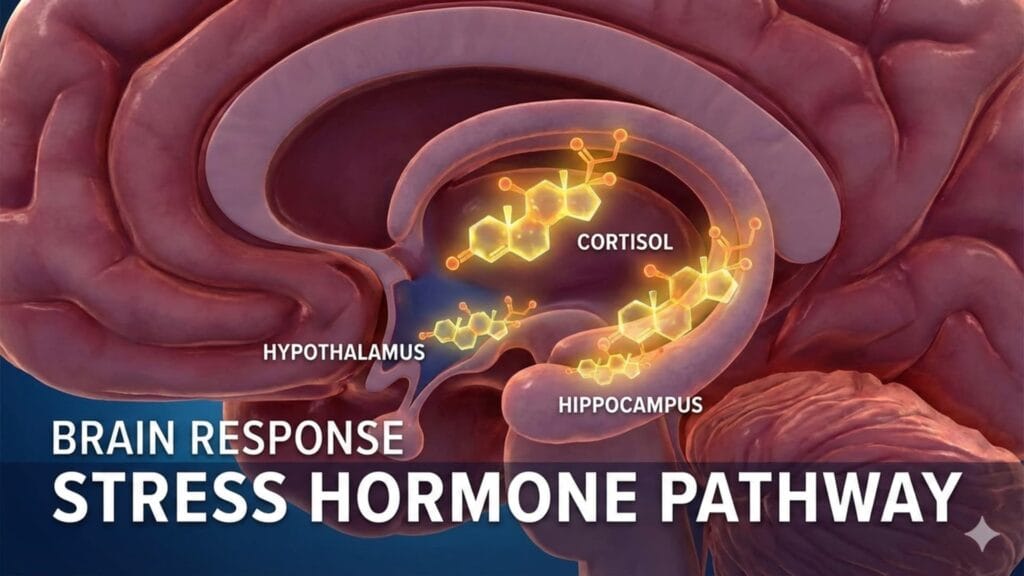
Heartbreak and self esteem are connected through stress hormones in ways that’ll make you understand why you can’t sleep, can’t eat, or can’t stop eating after breakup. Cortisol (stress hormone) floods your system during a breakup, staying elevated for weeks or even months. High cortisol doesn’t just make you feel stressed—it literally impairs your ability to form positive memories and access feelings of self-worth.
This is why rebuilding confidence after relationship ends feels impossible at first. Your hippocampus (memory center) is compromised by cortisol, making you fixate on what went wrong, replay every fight, and forget all the times you were confident and thriving before them. Your brain is basically gaslighting you into thinking you were never good enough, when really, it’s just chemically unable to recall evidence to the contrary.
The Attachment System Freakout
People have an attachment system that evolved to keep us close to caregivers and romantic partners. When that bond breaks, the same parts of the brain that light up when a baby is taken away from its mother start to work. This isn’t a big deal, it’s just neuroscience. When someone is heartbroken, the anterior cingulate cortex, which deals with physical pain, lights up. That’s why people say “heartbreak hurts.” Your brain really thinks of it as a physical injury.
Your self-esteem drops after a breakup because this attachment system is telling you that you failed at the most basic human task: keeping a pair bond. It doesn’t matter that there are a million good reasons for relationships to end. Your old brain just knows that when a bond is broken, there is danger. And we don’t feel sure of ourselves when we think we’re in danger. We feel small, scared, and like we don’t deserve to be here.
Identity Dissolution: When “We” Becomes “Me” Again
In psychology, there’s a term called “self-expansion” that means you literally include your partner in your sense of self in a relationship. You turn into “we.” Your routines, your plans for the future, and who you are all become one. You go through “self-contraction” when the relationship ends, which makes you feel like you’re losing parts of yourself.
This is why it’s hard to feel good about yourself after a breakup you don’t just lose them, you lose the person you were in that relationship. You lose the inside jokes, the plans you made together, and the way they made you feel like you were seen. Your brain is trying to figure out who you are without them, and your identity is literally smaller than it was. It’s very confusing, and you can’t be sure of anything when you’re that unsure.
The Rumination Trap
This is where heartbreak really messes with your self-esteem after a breakup your brain goes into a state called rumination, where you can’t stop thinking about what happened, what you could have done differently, and what’s wrong with you. This isn’t just being sad it’s a pattern in your brain that strengthens neural pathways that make you criticize yourself.

When you think “I wasn’t good enough” or “I should have been different,” you are actually making those neural connections stronger. It’s like going to the gym, but instead of getting stronger, you’re getting more self-doubt. The more you think about things, the more automatic those bad thoughts become, and the harder it is to remember times when you felt good about yourself and confident.
The Comparison Devastation
Your self confidence after breakup takes another hit when you start comparing yourself to your ex’s new life, their new potential partners, or the idealized version of the relationship you’ve constructed in your mind. The brain’s default mode network (which activates during self-reflection) goes into overdrive and it’s biased toward negative comparisons when you’re in emotional pain.
You’re not comparing yourself accurately—you’re comparing your behind-the-scenes messiness to everyone else’s highlight reel. But try telling that to a brain flooded with cortisol and withdrawal symptoms. Heartbreak and self esteem spiral together because every comparison feels like evidence that you’re lacking something fundamental.
Why Time Actually Does Help (Neurologically)
Here’s the thing about rebuilding confidence after relationship loss your brain is plastic. The neural pathways that are currently firing in pain patterns can be rewired. It takes time-usually 11 weeks for the brain to start adjusting to the new reality, according to research. Know More About Brain Rewiring
As cortisol levels normalize, your hippocampus can function properly again, letting you access balanced memories. Your reward system slowly recalibrates, finding dopamine in new sources. Your prefrontal cortex regains control from your amygdala, letting you think rationally about the situation instead of being hijacked by emotion.
The Reconstruction Phase: Building New Neural Pathways
Post breakup self worth doesn’t just magically return – you have to actively rebuild it by creating new experiences that generate positive neural patterns. Every time you do something that reminds you of your competence, interests, or value, you’re literally building new synaptic connections that compete with the negative ones formed during heartbreak.

This is why people say “focus on yourself” after a breakup. It’s not abanormal it’s neurologically necessary. You need to create new sources of dopamine, new social connections that trigger oxytocin, and new accomplishments that activate your reward centers. You have to teach your brain that you can feel good, valued, and confident without that person.
The Oxytocin Crash
Oxytocin, the hormone that helps people bond, drops a lot after a breakup, especially if you were in a long-term relationship with a lot of physical affection. This hormone has a direct effect on how much you trust, connect and value yourself in social situations. When it crashes, you feel cut off from your ex, yourself, and your ability to connect with other people.
After a breakup, you can rebuild your confidence by making new friends, spending time with family, or even petting a dog. This will slowly raise your oxytocin levels back to normal. These interactions remind your brain that you can still connect with others and that you are still deserving of love and affection, even if it’s not romantic right now.
The Vulnerability Paradox
Here’s something counterintuitive about self confidence after breakup sometimes it drops because you’re more self-aware, not less valuable. Heartbreak can make you hyper-conscious of your flaws, patterns, and areas for growth. This feels like your confidence is destroyed, but actually, it’s being reconstructed on more honest foundations.
The challenge with heartbreak and self-esteem is distinguishing between legitimate self-awareness and shame-based distortion. Yes, maybe you had communication issues or commitment problems-that’s human. But your brain in heartbreak mode will try to convince you that these flaws make you unlovable, which is where the distortion happens.
Your Brain’s Bottom Line and Heartbreak
Heartbreak and self-esteem are the result of a complicated neurological process that includes identity disruption, stress hormone flooding, withdrawal symptoms, attachment system activation, and social pain processing. It’s human neurology doing what it evolved to do, and it’s neither theatrical nor weak.
As your brain chemistry settles, new neural pathways develop, and you find new meaning and connections, your self-confidence will return after a breakup. It happens, but it requires time, deliberate effort, and typically some assistance. Even when it seems impossible, your brain is physically built to adjust and recover from this.
Understanding that you’re not broken and that you’re going through a neurological healing process that calls for patience, self-compassion, and active self-reconstruction is the key to regaining confidence after a relationship ends. The chemical equilibrium will be restored. There will be a rewiring of neuronal circuits. The identity will become firmly established. Additionally, because you’ve endured one of the most agonizing experiences the human brain can absorb, your post-breakup self-worth will not only return, but it will frequently do so with greater vigor.
Made By: https://lovelycalculator.xyz