

Being a parent is one of the most important things you can do in life. As kids grow up, how their parents raise them affects how they think, feel, and act. When we talk about how moms and dads parent differently, we are not talking about love. Instead, we’re learning how different ways of parenting can work together to raise a well-rounded child.
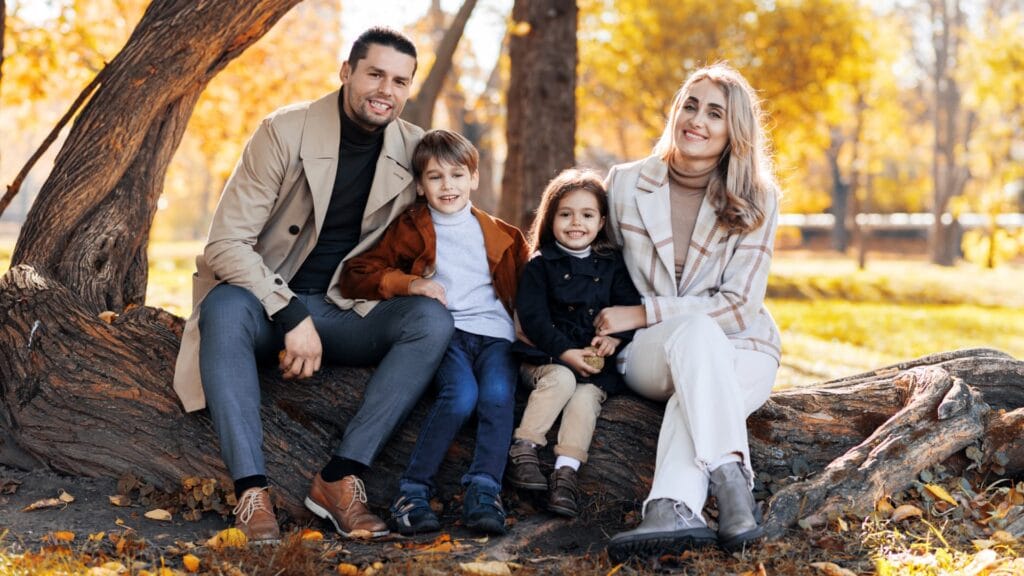
What Is Parenting and Why It Matters
Being a parent isn’t just about caring for a child. As a parent, you need to give your kids emotional support, discipline, teach them values, and get them ready for the real world. Good parent helps kids feel good about themselves, get stronger emotionally, and learn how to make decisions.
Research from the Center on the Developing Child at Harvard University shows that early parent plays a major role in brain development and emotional growth.
Mother’s Style: Building Emotional Foundation
Mom is often very much like caring for her child emotionally. This kind of parenting is all about making kids feel safe, comfortable, and understood.
This seems easy :
A kid falls and hurts himself. The mother quickly cleans the wound and comforts the child. This kind of parenting teaches the child that it’s okay to feel things and that help is available.
Mary Ainsworth’s attachment research and other studies show that this kind of thing helps kids form strong emotional connections.
Father’s Parenting Style: Teaching Strength and Resilience
Father’s often puts more emphasis on getting kids ready for the real world. This kind of love helps kids learn to be independent and solve problems. In real life, the father might tell the child to get up and try again after they fall. This way of parenting helps kids learn how to deal with problems and builds their confidence.
UNICEF says that when fathers are involved to keep children ready for the world, it helps kids feel better about themselves and get along with others.
Emotional vs Challenge-Based Parenting
Parenting can be understood in two broad ways:
Emotional
Emotional parenting focuses on comfort, care, and emotional understanding.
Challenge-based
Challenge-based parenting focuses on growth, discipline, and resilience.
Both are essential parts of effective. Without emotional parenting, a child may feel unsupported. Without challenge-based , a child may struggle with real life situations.
How Parenting Differences Shape a Child’s Personality
Parenting has a direct impact on a child’s development into adulthood. The NICHD Study of Early Child Care found that balanced between emotional and challenge-based leads to better emotional and social outcomes.
When parents give their kids emotional support and discipline, it helps them:
- Get better at dealing with stress
- Make your relationships stronger
- Build up your confidence
This shows that the best way to parent is to use both styles.
Real Life Examples of Differences
Differences in parenting become apparent in everyday situations:
Research indicates that emotional parenting alleviates anxiety in children. That is based on challenges helps kids learn how to solve problems.
At home:
- One parent may help and guide during homework.
- The other person may tell the child to try on their own.
- This kind of love helps kids get stronger.
Modern Parents: Changing Roles of Moms and Dads
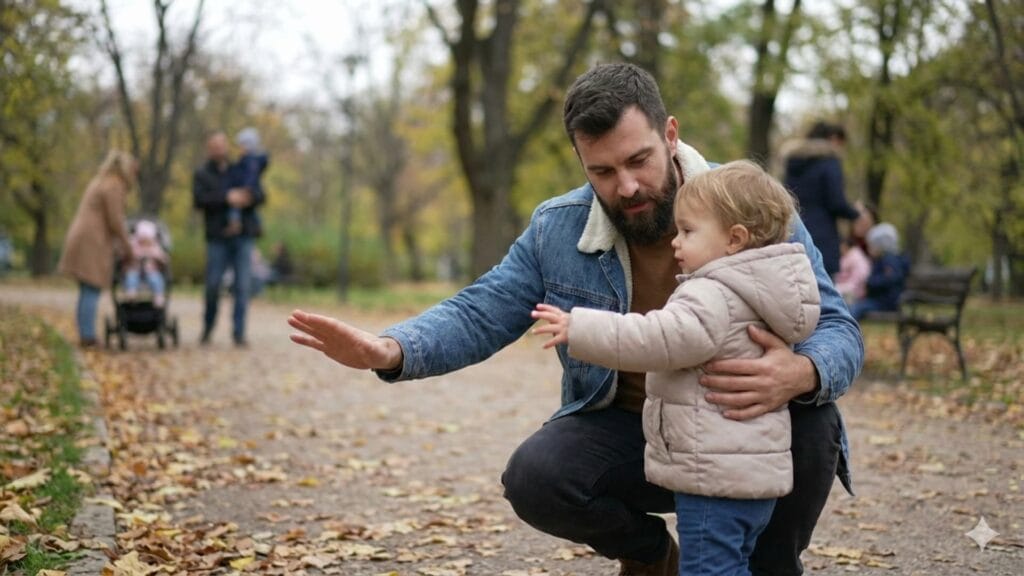
Roles of parents are changing. Moms and dads share responsibilities more equally these days. The Pew Research Center says that fathers are now more involved than ever before. This change makes it better overall and helps kids grow.
Conclusion: Two Approaches, One Objective
There are many different ways to be a parent, and they all work together. Both mothers and fathers are important, even though they may parent in different ways. One makes you stronger emotionally. The other prepares you for the real world. All of these things together make the child strong.